

The menace of puppy mills and the pet stores they supply is a problem for dog lovers and the community at large.
Puppy mills are about making money for the owners. But isn’t that what all businesses are about? Not exactly. Most business are not run by quick-buck artists.
Most business people provide goods or services to their customers in a responsible way. Generally owners are in it for long-term relationships and repeat customers. They take pride in the quality of what they sell.
Puppy mills, on the other hand, put profits first, ahead of the well-being of the dogs they traffic and ahead of the families they service. And the practice also embodies a certain amount of cynicism.
A mom and dad come in to a local pet store with their 5-year-old daughter. They are there to look at the cute little puppies. Then, when all three of them fall in love with this tail-wagging little guy, they bring a dog home who might have serious health issues and genetic problems to be faced down the road. There might be behavior problems that threaten the entire community.
Anyone who’s ever owned a dog knows the pain all feel when she develops serious abnormalities after the whole family becomes attached. Often families can’t afford the veterinary services that will be required.
Sometimes this can’t be avoided. But puppies bred without regard for genetic issues, such as mixes of incompatible breeds or even siblings, or raised under conditions of poor nutrition and hygiene, no early care, and lack of veterinary support bring problems that could have been avoided.
This makes the practice doubly cruel. It makes victims out of both the dogs and their future guardians.
How Widespread Is This Problem?
Activists estimate there are more than 10,000 puppy mills in operation in the U.S., with more than 7,000 of them not regulated by the U.S.D.A. More than 2 million puppies sold each year originated in puppy mills, and 194,000 dogs are kept solely for breeding new puppies.
These dogs are pushed to produce as many new puppies as they can and then killed or abandoned when they can no longer breed. Many are shot in the head or starved to death.
Pet store puppies usually come from puppy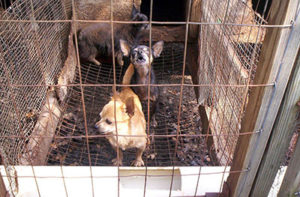 mills, where you can order a particular type of dog like a tube of toothpaste. Often they are sold too young, before their mothers and breeders can teach them to inhibit their bite and to be socialized to accept men, women, children, and other dogs–maybe even cats.
How many of the people buying pet store puppies from puppy mills know they will need to supply this missing training?
How many know that their adorable little puppy was poorly fed, raised in conditions too hot or cold, brought up without touch or love? Instead their’s was an existence without running and playing, spent in some cramped cage. That’s the way your future family member began his life.
So how do you find that puppy you want for your kids? Your first option is to seek a reliable, honorable breeder. This is easier said than done.
Ask friends and local community organizations. Check licenses. Visit the breeder and examine the living conditions of the dogs. Ask to meet the puppy’s mother and father. Ask about the vet services they use, and then check with that vet. Can you return the dog if there’s not a good fit with your family? Are there medical records you can see including vaccinations? Is the puppy at least 10 weeks old? And so on. It’s more like adopting a child than buying a new coat. So get involved in the process.
Some people object to purchasing dogs even from great breeders, since there are a lot of dogs in shelters waiting for someone to adopt them and to provide “forever homes”. Many are great dogs. About 25% are pure bred. Yet every year millions are euthanized. But there are valid exceptions that favor obtaining a dog from the right breeder for people who have some experience with dogs and are willing to do the homework that is necessary.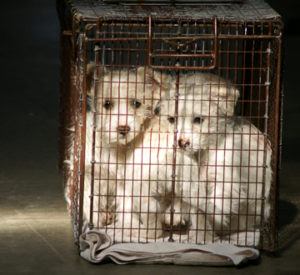
A serious hitch with shelter dogs is that many come indirectly from puppy mills. Suppose a family finds out there are too many problems with the dog they bought from a pet store. Behavior troubles they can’t fix or health issues they can’t afford to fix. They frequently dump the unfortunate puppy in a shelter, passing on the problems to the next unsuspecting owner.
There are exceptions to these rules that work both ways. The selection process is not always easy to navigate. Some breeders are labeled ‘puppy mills’ by the AKC even though they have excellent reputations, repeat customers over long periods, and treat the dogs better than most breeders and forever homes they’re adopted into.
Then there are recommended breeders where the dogs grow up in muddy yards with poor care. Some of these breeders, thought to be responsible, are little better than the puppy mills. That’s why you need to investigate before you make a decision.
How to Fix This
Don’t get your dogs from puppy mills, pet stores, or people who get them from these businesses. Support local and regional regulation that protects dogs and owners. It varies from region to region and from state to state. Sometimes there is a tension between states that oppose local regulation, often under pressure from commercial interests, and localities that strongly support it.
Making your views known will help move legislation in the right direction. The abuses are so serious in most cases, that nearly all animal rights activists and pet lovers support complete banishment of commercial pet breeding.
Tell your friends. Make allies in this fight.